


If you went to Fingerhut’s website recently looking to shop and found nothing but a login screen, you weren’t imagining things. The site is still up, but it no longer sells anything. That’s a confusing experience if you weren’t expecting it, so here’s a clear answer on what happened.
This article covers whether Fingerhut has fully closed, the timeline of the shutdown, what existing customers still need to do, how the closure affects credit accounts, and what alternatives exist for people who relied on Fingerhut’s installment credit model.
Fingerhut Has Stopped Operating as a Retailer
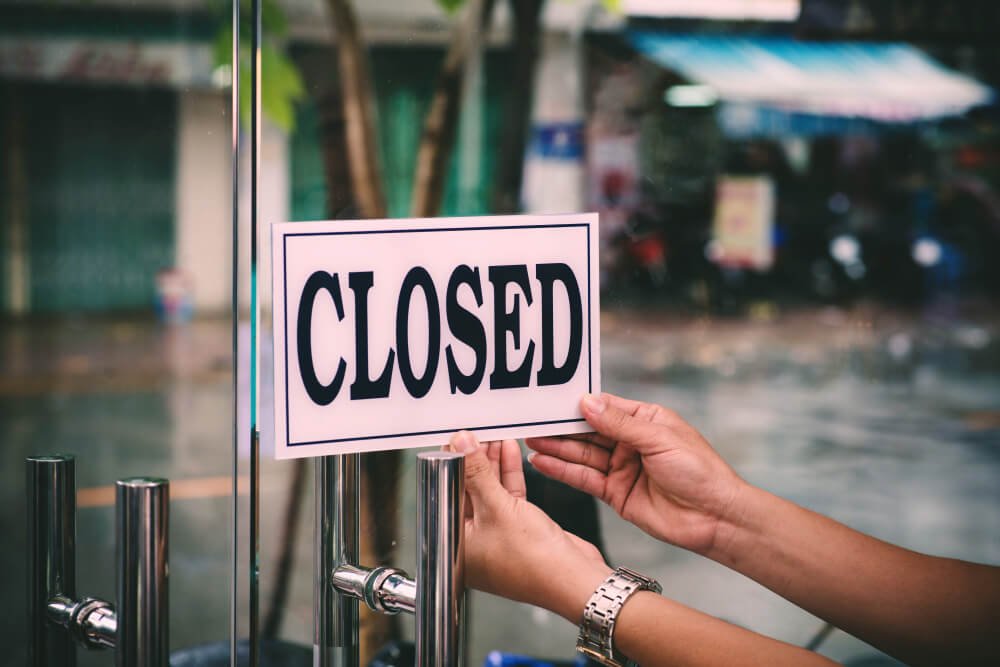
The short answer is yes — Fingerhut is effectively closed as a shopping destination. As of October 2, 2025, Fingerhut Fetti credit accounts are no longer available for new purchases. The website itself states plainly: “Fingerhut is no longer open for shopping.”
The site still exists, but it functions only as a payment portal. If you have an outstanding balance, you can log in, make payments, and manage your account. That’s it. You cannot browse products, add items to a cart, or open a new account.
This is an important distinction. Fingerhut hasn’t vanished overnight or declared bankruptcy in a way that wipes out customer obligations. It’s a wind-down — the retail side is gone, but the credit and collections side is still active. The corporate entity and your financial obligations remain in place.
The Shutdown Timeline: How It Unfolded in 2025
This wasn’t a sudden collapse. The closure happened in stages over the second half of 2025.
Customer emails began circulating in late summer 2025 stating that the company had “decided to close.” Those communications identified September 15, 2025 as the final day to place new orders. Reddit posts from alleged employees described clearance inventory, the winding down of distribution center operations, and headquarters shutting down through September.
The official cutoff date for new purchases on Fetti credit accounts was October 2, 2025, confirmed by Fingerhut’s own closure FAQ at fingerhut.com/content/faq-closure. By mid-2026, the commercial operations appear fully wound down. What remains is debt management and payment processing.
It’s also worth flagging that some articles published in mid-2025 claimed Fingerhut was still accepting new customers and that no official shutdown announcement had been made. Those pieces are now outdated. Events overtook them. The company did cease retail operations, and the official closure FAQ makes that clear.
Why Fingerhut Closed — The Business Problems Behind the Shutdown
Fingerhut’s 2025 closure didn’t come out of nowhere. It was the final step in a long structural decline.
The Bluestem Bankruptcy
Fingerhut’s parent company, Bluestem Brands, filed for Chapter 11 bankruptcy in 2020. The filing cited heavy debt loads and weak performance. Lenders led by Cerberus Business Finance took over operations as part of the restructuring, which included $125 million in debtor-in-possession financing. That’s not a sign of a thriving business — it’s a company trying to survive on borrowed time.
Catalog Retail Was Already Dying
Fingerhut was built on the mail-order catalog model. That model had been eroding for years before the 2025 closure. Amazon and other e-commerce competitors offered faster delivery, lower prices, and easier returns — without requiring customers to commit to an installment payment plan.
At the same time, buy-now-pay-later fintechs like Affirm, Klarna, and Afterpay moved directly into the space Fingerhut had carved out. Suddenly, consumers with limited credit could split payments at mainstream retailers without signing up for a specialty catalog account.
This Wasn’t the First Time
Fingerhut has faced near-death situations before. In the early 2000s, Federated Department Stores — now Macy’s — tried to sell the Fingerhut catalog business after acquiring it. When no buyer materialized, Federated announced it would simply close it. An industry executive at the time said the catalog was “as good as dead.” The business survived that episode, but it never fully resolved the structural problems that made it vulnerable in the first place.
The 2025 closure is the end of a decades-long decline, not a sudden failure.
What Existing Customers Still Owe and How to Pay
This is the most urgent question for current account holders: do you still have to pay? Yes, you do.
Fingerhut closing as a retailer does not cancel your debt. The creditor — WebBank for Fetti accounts — continues to report your account to credit bureaus. Your legal obligation to pay the balance remains exactly as it was before the company stopped selling products.
Here’s how payments still work:
- Log in at fingerhut.com or through the app to pay online
- Use your bank’s bill pay feature
- Call the automated phone payment system
- Mail a check to the PO boxes listed in the closure FAQ for Fetti and Advantage accounts
Think of it this way: it’s like a store that closed its doors but kept its financing office open. The front of the store is gone. The back office — credit and collections — is still running until every balance is paid off.
How the Closure Affects Your Credit
There are a few credit-related questions worth addressing directly.
Your payment history still matters. Even though Fingerhut is no longer a retailer, on-time payments continue to be reported. Missing payments after the closure will still damage your credit the same way they would have before.
Account closure can affect your credit utilization and credit age. When a credit account closes, it can change your overall utilization ratio and eventually drop off your credit history. How much this affects your score depends on the rest of your credit profile. There’s no single number that applies to everyone.
Warranties and returns are a separate issue. With the retailer gone, store-level returns are no longer possible. If you have a product that fails, your best option is to go directly to the manufacturer’s warranty. Consumer protection laws may also apply depending on your state, but Fingerhut as a company is no longer in a position to help with that process.
What to Use Instead of Fingerhut
Fingerhut served a specific audience: people with limited or thin credit histories who needed an installment option to make household purchases. If you’re in that situation, here are some practical alternatives.
For Building Credit
A secured credit card is one of the most straightforward tools for building payment history. You put down a deposit, use the card for small purchases, and pay it off monthly. Most major banks and credit unions offer them.
For Installment Payments at Retail
BNPL providers like Affirm, Klarna, and Afterpay are accepted at a wide range of mainstream retailers. They let you split purchases into payments without a traditional credit card. Just note that these products still carry interest or fees in many cases — read the terms before committing.
For Mail-Order Catalog Shopping
If you genuinely preferred the catalog format, some alternatives still operate: Walter Drake, Heartland America, Catalog Favorites, and Miles Kimball are among the names still sending catalogs and accepting orders. They serve a similar demographic but typically require separate payment arrangements rather than their own credit account.
For anyone researching retail business models and how companies in this space are adapting, eBusiness Voice covers practical business trends worth tracking.
The Bottom Line
Fingerhut is no longer a functioning retailer. As of October 2, 2025, it stopped accepting new orders. The website now exists only so existing customers can make payments on their outstanding balances.
The closure reflects a combination of factors: the 2020 bankruptcy of parent company Bluestem Brands, years of pressure from e-commerce competitors, and the rise of BNPL fintechs that took over the installment credit space Fingerhut once owned.
If you have a balance, keep making payments. Closing the retail operation does not erase what you owe. If you’re looking for alternatives, secured cards and BNPL services at mainstream retailers are the most practical replacements for what Fingerhut offered.
After 77 years, it’s a genuine end to one of America’s oldest catalog retail brands — and a clear example of what happens when a business model doesn’t adapt fast enough to market shifts.
Also Read: